Business Name: Heritage Glass
Address: 2005 NE Columbia Blvd, Portland, OR 97211
Phone: (503) 289-3288
Heritage Glass
Company specializing in interior glass fixtures & dividers, with a showroom for shower enclosures.
2005 NE Columbia Blvd, Portland, OR 97211
Business Hours
Monday thru Friday: 7:30am to 3:30pm
Facebook: https://www.facebook.com/profile.php?id=100087644615356
Street noise sneaks into a home in remarkably stubborn methods. I've stood in living rooms where a single cracked sash made a peaceful night seem like a train station. I've also seen a client's shoulders drop in relief after we swapped out a rattling single pane for a well-fitted insulated system. The distinction is not subtle. Quality window glass replacement does more than silence the turmoil exterior. It supports temperature levels, tames condensation, and raises the general convenience of an area. The best glass, chosen and installed by a thoughtful glazier or a respectable glass company, can turn a drafty room into the place you naturally gravitate to at the end of the day.
This guide draws on the useful side of the trade, the lessons you only get after dealing with the glass, inspecting the exposes, and hearing the in the past and after on your own. If you've been thinking about replacing window glass for sound control, or you remain in the middle of a bath remodel and you want quieter, warmer rooms without a complete tear-out of frames, the information below will help you select well.
Why windows let sound in
Sound moves through air, through solid materials, and around spaces. Windows represent all 3. A common house developed a couple of years ago might have single pane glass, light aluminum or wood frames, and sash weights that leave small air paths inside the jambs. Even if the glass itself isn't thin, vibrations pass straight through continuous products. If you've ever held a tuning fork to a tabletop and heard it loudly enhance, you've experienced the very same principle.
Three weak points usually appear:
- The glass structure and thickness, which set the first line of defense against vibration. The air space around the glass and within the window assembly, which can moisten or enhance certain sound frequencies. The perimeter and frame, where inadequately sealed gaps and tough connections send seem like small bridges.
When a delivery van downshifts or a dog barks, the low and mid frequencies take a trip easily through light, stiff paths. Higher frequencies, like a screech or a whistle, tend to slip through cracks. A well designed replacement constructs mass, includes separation, and seals the border, so the window stops acting like a drum head.
What "quality" glass really implies for sound and comfort
People typically request for "double pane" or "triple pane" as if pane count alone solves noise. Pane count matters, but quality originates from a system: glass thickness, spacing, the type of interlayer or gas, spacers at the edges, and how the system is installed in the frame.
For noise reduction, 2 ideas matter most:
- Mass and asymmetry. Much heavier glass obstructs more sound. Asymmetry, such as matching a 3 mm lite with a 5 or 6 mm lite, avoids a single resonant frequency from going through both panes efficiently. Decoupling. An air or gas space imitates a shock absorber. The size of that area and the products in between the panes affect how well vibrations pass away out before reaching the interior.
Thermal convenience is a parallel advantage. An unit that tames sound often does a good job against heat flow and drafts. Low emissivity coverings lower convected heat loss in winter and unwanted heat gain in summer season. Warm-edge spacers reduce condensation at the perimeter. When all of that comes together easily, you get a room that is quieter and much easier to keep at a constant temperature level, without hotspots by the windows.
Glass choices, from basic upgrades to superior acoustic
Single pane to insulated glass unit (IGU). If your home still has single panes, swapping to an IGU yields the biggest leap. A basic IGU is 2 panes separated by a spacer and sealed around the perimeter. The most typical density pairing is 3 mm over 3 mm with a 1/2 inch to 5/8 inch spacer. Noise enhancement over single pane is noticeable, typically moving a space from a continuous background hum to a duller, more far-off sound.
Asymmetric IGU. When noise is a top priority, request for dissimilar density panes. A 3 mm exterior lite paired with a 5 or 6 mm interior lite breaks the resonance match. In practice, I've measured decreases of 3 to 5 dB compared to a symmetric system in the same frame. That may not seem like much on paper, but the ear perceives roughly a 10 dB decrease as cutting volume in half. Every couple of dB of enhancement is rewarding, especially when layered with much better seals.
Laminated glass. Laminated glass sandwiches a clear interlayer, typically PVB, between two sheets of glass. This is the unrecognized hero for acoustic comfort. The interlayer damps vibration, so laminated units outshine bare glass at the same density. If you've stood beside a store with thick laminated panes and observed how traffic fades, you have actually heard this at work. Inside homes, a laminated lite on the interior side of an IGU is frequently the most economical upgrade for noisy streets. It likewise includes security and security, keeping fragments bonded if broken.
Acoustic laminated glass. Some producers provide specialized acoustic interlayers tuned for sound. The enhancement is incremental over standard lamination, but on busy opportunities or beneath flight paths, every bit helps. These items carry STC and OITC ratings that make apples-to-apples comparison easier.
Triple pane. Triple glazed systems can help, but not always as much as people presume for noise. The included pane increases mass and separation, which assists, but if all three panes are the exact same thickness, you can produce frequency matches that damage the benefit. A well developed triple pane with at least one laminated lite can be impressive. Without lamination or asymmetry, the gains may tilt more towards thermal efficiency than acoustic.
Gas fill and coverings. Argon gas is common in IGUs, enhancing thermal insulation. It does little for sound straight, though the enhanced spacing and sealing that come with modern-day IGUs help in general. Low-E finishings show heat radiation, and while they do not block noise, they increase comfort by supporting space temperature level. A room that stays warm requires less airflow from signs up, which means less background whoosh taking on peaceful moments.
Frames, seals, and the truthful truth about drafts
You can invest great cash on glass and still lose the battle if the frame leakages. Air seepage is the stealth source of noise. If you feel a draft, noise is getting a free ride. I have actually replaced glass in strong old wood frames that were carefully weatherstripped and accomplished much better noise performance than brand brand-new windows set up with careless gaps. The interface between the window and the wall matters as much as the window itself.
Look for these information throughout a window glass replacement:
- Continuous perimeter sealant, backer rod where spaces surpass a quarter inch, and a sealant type matched to the cladding and climate. Sash weatherstripping that compresses uniformly. Even a millimeter of daytime can whistle under wind. Properly bedded glazing tape or silicone, no voids, and full contact along the setting blocks. Correctly positioned shims that support the unit without developing tough bridges at the corners.
If your home has older wood windows with beauty you wish to keep, a knowledgeable glazier can retrofit IGUs into existing sashes in many cases. The new glass sits deeper, rails might require to be grated or enhanced, and hardware changed. Done right, this technique maintains the profile and reduces waste, while providing contemporary comfort.
Real numbers, not marketing fluff
Glass and window products are often ranked using STC and OITC. STC, or Sound Transmission Class, concentrates on mid to high frequencies. OITC, Outdoor-Indoor Transmission Class, shifts weight towards lower frequencies common in traffic and airplane. For street sound, OITC informs the clearer story.
A single pane window may carry an OITC in the low 20s. A basic double pane climbs up into the high 20s. Add asymmetry or a laminated lite and you can reach the low to mid 30s. By the time you're at an OITC of 35, the boom of trucks ends up being a softer whoosh and voices outside blur into background. That improvement often pairs with a U-factor under 0.30 for thermal, which keeps the interior glass temperature level closer to room temperature on cold nights, minimizing that edge chill you feel near the pane.
Those numbers are useful, however determining your own area matters too. I have actually walked clients through an easy test utilizing a phone decibel app. Procedure a quiet night inside and outside, then a busy hour. The space gives a standard. After replacement, repeat the test. You may not hit laboratory ratings, because walls and vents also send sound, however you'll see the trend line convincingly move.
Comfort is more than silence
Quiet helps, but comfort is a mix of factors. If your windows radiate cold, you'll feel it in your bones even if the thermostat checks out 70. Quality glass replacement decreases radiant heat loss. That implies you can sit by the window in January without a blanket. In summer, low-E finishings keep the sun's heat from turning floors into fry pans. The result is fewer cold and hot zones, less regular a/c cycling, and an area that just feels even.
There's a health angle too. Condensation feeds mold and chews up paint. Older single panes typically carry beads of water at the bottom on winter early mornings. Warm-edge spacers and better seals press the dew point outside the home. The sill dries out, finishes last longer, and indoor air quality improves.
Security matters in comfort as well. Laminated glass is harder to breach. It slows smash-and-grab attempts since the interlayer holds the fragments together. For commercial glass ground floor bed rooms or secluded windows, that extra resistance purchases time and peace of mind.
How installation quality appears in everyday life
I've reviewed tasks years later and noticed which windows aged gracefully. The dead giveaways of a cautious set up are quiet at wind gusts, smooth sash movement without scraping, even exposes around the border, and tidy, flexible sealant that hasn't split. The opposite set of signs informs you noise and drafts will sneak back in: hardened caulk retreating at corners, noticeable light on a windy night, or sashes rattling when a truck rumbles by.
An experienced glass company will scribe or shim frames to correct minor out-of-square openings, not just force the unit into place. They'll select the ideal setting obstructs to support the glass and avoid droop that develops subtle spaces later. On commercial glass tasks you see this attention as standard, because the periods are larger and the stakes greater. The exact same state of mind advantages residential windows.
When a full window replacement makes more sense
Sometimes changing just the glass hits a limitation. Frames can be too distorted, water harmed, or thermally conductive. Aluminum sliders from the 70s and 80s often fall into this container. Even with new IGUs, the metal conducts cold into the room and sweats at the edges. In these cases, a complete unit replacement with thermally broken frames and modern weatherstripping often outperforms any glass-only upgrade.
On the other hand, well developed wood frames, even 60 years of ages, can be brought back and re-glazed with IGUs or laminated lites to exceptional impact. A good glazier will inform you straight which course makes good sense after penetrating the frames, checking for movement, and inspecting fasteners.

How noise control fits into a more comprehensive remodel
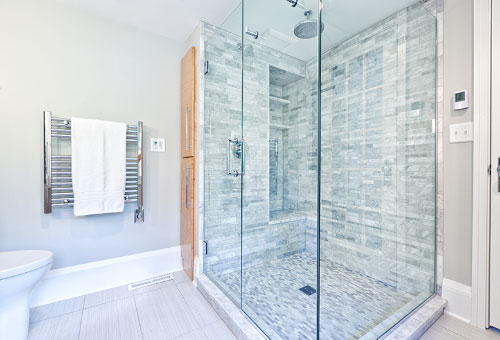
Windows are just one piece of the acoustic puzzle. If you're preparing a bath remodel, keep in mind that difficult surfaces enhance noise. Updating a little restroom with sleek shower enclosures and big format tile typically increases echo. Defining laminated glass in the shower enclosure softens reflections a bit, particularly if you combine it with a softly textured wall or a properly sized exhaust fan that runs quietly instead of droning. In the exact same project, taking note of the window pays dividends: an obscured laminated lite can provide personal privacy, dampen traffic noise, and withstand humidity.
In design-forward bathrooms, the coordination between shower and mirror placement impacts both function and feel. Mirrors bounce light and sound. A large mirror opposite a window can lighten up a vanity, however it may also reflect street sound if the window is leaky. Seal the window well, consider a laminated system for personal privacy and sound, and you'll take pleasure in the visual advantages without the auditory trade-off.
Real-world examples and edge cases
A client in a third-floor condominium on a hectic boulevard complained of midnight bike blasts jolting her awake. Her windows were good double panes, but both lites were 3 mm. We replaced the interior pane with a 6 mm laminated lite and left the exterior pane as is, keeping the initial frame. On paper the STC and OITC pushed up by just a few points. In lived experience, the sharpness of the exhaust keeps in mind softened enough that she slept through the night. The expense remained well under a full unit replacement.
Another case involved an artisan cottage near a light rail line. The owner wanted to preserve the divided lite look. We crushed the sash rails to accept slim IGUs with warm-edge spacers and used restoration glass for the outside lite to keep the period character, laminated on the interior for noise and security. The low frequencies from the train still rolled through the area, however inside the living-room the rumble felt remote. Winter season condensation disappeared, and the painted sashes stopped sticking from seasonal swelling.
An edge case worth calling out: historical districts that mandate real divided lites or define outside profiles can limit glass thickness or finishings. Work with a glazier who understands the regional guidelines. Sometimes a secondary interior panel ends up being the very best path. A well developed interior storm with a magnetic seal can add a surprising 5 to 10 dB of improvement, and it's detachable for cleansing or inspections.
Cost, worth, and the long view
Pricing differs by region, frame condition, and glass spec, however a basic variety assists planning. A glass-only IGU replacement in a standard residential sash might run a couple of hundred dollars per opening. Include lamination or large panes and the number increases. Complete window replacements generally leap to four figures per opening, especially with custom-made sizes or premium finishes.
Where does the worth appear? Daily convenience is the first return. Energy cost savings come next. Updating from single pane to a modern-day IGU can decrease heating and cooling loads by double digits, particularly in environments with temperature swings. Lowered condensation suggests less upkeep. In noisy locations, buyers notice quieter interiors and are willing to pay for them. On commercial glass jobs, the repayment frequently comes from lower HVAC costs and happier occupants who restore leases.
There's likewise the conserved expense of sleep. It's hard to put a dollar worth on waking rested instead of groggy. I have actually had more than one client call their brand-new windows their "white noise device," despite the fact that the goal is really less noise, not a different noise.

How to pick a glass company or glazier you can trust
Credentials and rankings are helpful, however the very best predictors are procedure and specificity. During an estimate, listen for whether the expert inquires about your sound sources, the time of day they trouble you, and whether the worst sounds are low rumbles or sharp peaks. A great glazier will propose uneven or laminated lites without you prompting and will discuss the compromises, such as added weight and how that impacts sash balances or hinges.
They should speak about perimeter sealing, backer rod, spacer type, and lead times. If you're changing glass in an operable sash, ask how they'll deal with recalibrating balances or adjusting rollers. Numerous sound grievances trace back to sashes that no longer align after heavier glass enters. The ideal professional prepares for that and brings the best parts.
Don't forget the service after setup. Glass service warranties generally cover seal failure for a decade or more, however labor varies. Clarify who manages a fogged system if it stops working early, what turnaround looks like, and how they protect finishes throughout removal and reinstallation.
Maintenance that safeguards your investment
Modern glass does not need much, however little routines extend performance. Keep weep holes at the sill clear so water has a simple course out. If you live near the ocean or on a high-traffic street, wash exterior glass and frames a few times a year to eliminate salt and gunk that can attack seals gradually. Inspect boundary caulk annually, particularly at the head and the sill ends where growth and contraction struck hardest. If you see condensation between panes, call right now while guarantees are active. For operable windows, a light cleaning and lubrication of tracks or hinges each spring keeps seals compressing properly and minimizes air leakage.
Where commercial methods notify homes
Commercial glass work often handles bigger panes, taller exposures, and stricter acoustic targets. Lessons from that world translate well to residential. Defining laminated lites on the interior, picking warm-edge spacers, and utilizing proper structural setting obstructs all originated from commercial practice. So does the concept of decoupling layers with independent frames. In homes, a discreet interior secondary panel can simulate a drape wall's layered technique and perform far beyond its modest appearance.
If you're near a convention center, medical facility, or workplace district, stroll previous contemporary commercial glass exteriors and observe how calm it sounds a couple of feet from the glass compared to older structures across the street. That distinction isn't just density. It's thoughtful layering and sealing. Borrow the parts that scale to your home.
Tying it back to whole-home comfort
Noise reduction is a springboard to other wise choices. When you tame the windows, other small adjustments settle more clearly. Weatherstrip the outside doors with adjustable limits, seal the little penetrations behind outlet covers on outside walls, and tune your HVAC fan speed so it distributes quietly instead of roaring. If a space still brings an echo, textiles and soft finishes do real work. But begin with the windows. They are typically the most transparent path for both sound and heat.
During a wider remodel, think about glass holistically. In the main bath, a quiet exhaust fan, laminated shower enclosures that withstand shatter and soften sound, and a well sealed, obscured window meshed. For mirror positioning, think about acoustics along with light bounce. In living locations, organize seating to delight in the daytime without hugging glass that radiates cold. As soon as the panes are updated, you'll find yourself sitting closer to the view in every season.
The payoff you can hear and feel
The best feedback I get does not mention decibels or U-factors. It seems like this: The baby sleeps through the early morning deliveries now. We can hear each other at the dinner table without raising our voices. The radiators click on less often and the room remains even. Or my favorite, said with a smile: It lastly feels like your home closed the door on the street.
Quality window glass replacement, chosen with care and set up with craft, delivers that outcome. Whether you hire an experienced glazier for a glass-only swap or a full-service glass company for detailed work, demand the information that matter: laminated or asymmetric lites where noise is worst, truthful sealing around the border, and frames that support the glass without faster ways. If you cope with flight courses, railway, or dynamic sidewalks, you don't have to accept the soundtrack. A better view needs to come with quieter days and steadier convenience. That balance is what great glass provides you.
Heritage Glass uses highly trained glass installation teams
Heritage Glass emphasizes exceptional customer service
Heritage Glass aims to provide competitive pricing
Heritage Glass offers plate glass and insulated window replacement for commercial projects
Heritage Glass installs showcase glass and shelves in commercial settings
Heritage Glass installs storefront aluminum frames
Heritage Glass displays past project examples in its project gallery
Heritage Glass partners with trusted glass suppliers
Heritage Glass provides free project estimates upon contact
Heritage Glass has a contact phone number for inquiries (503) 289-3288
Heritage Glass operates Monday through Friday
Heritage Glass is a commercial and residential glass installation company
Heritage Glass is located in Portland, Oregon
Heritage Glass was founded in 1970
Heritage Glass serves the Portland Metro and surrounding area
Heritage Glass specializes in commercial glass installations
Heritage Glass installs storefronts and secure glass doors
Heritage Glass provides tenant improvement glass services
Heritage Glass offers residential shower glass installation
Heritage Glass offers a broad selection of glass and hardware options
Heritage Glass has a phone number of (503) 289-3288
Heritage Glass has an address of 2005 NE Columbia Blvd, Portland, OR 97211
Heritage Glass has a website https://www.heritage-glass.com/
Heritage Glass has Google Maps listing https://maps.app.goo.gl/ZAZDjqmi5bpCQR9A8
Heritage Glass has Facebook page https://www.facebook.com/profile.php?id=100087644615356
Heritage Glass Best Glazier Award 2025
Heritage Glass earned Best Customer Service Award 2024
Heritage Glass placed Top in Custom Shower Enclosures 2024
People Also Ask about Heritage Glass
What types of glass services does Heritage Glass offer?
Heritage Glass provides both commercial and residential glass services, including installation of storefronts, secure glass doors, tenant improvements, mirrors, heavy glass, and custom shower glass enclosures
Where is Heritage Glass located and what areas do they serve?
Heritage Glass is located at 2005 NE Columbia Boulevard in Portland, Oregon and serves the Portland Metro area, including surrounding communities like Gresham, Vancouver, and Hillsboro
How long has Heritage Glass been in business?
Heritage Glass has been providing professional glass installation services since 1970, giving them over 50 years of experience in the industry
What should I expect during the glass installation process?
Heritage Glass emphasizes clear communication, competitive pricing, and professional service. Their team works closely with clients to understand project requirements and delivers high-quality installations on time and within budget
Where is Heritage Glass located?
Heritage Glass is conveniently located at 2005 NE Columbia Blvd, Portland, OR 97211. You can easily find directions on Google Maps or call at (503) 289-3288 Monday thru Friday: 7:30am to 3:30pm
How can I contact Heritage Glass?
You can contact Heritage Glass by phone at: (503) 289-3288, visit their website at https://www.heritage-glass.com/,or connect on social media via Facebook
Cully Park. Cully Park’s modern design reflects the clean lines many clients want in residential glass, commercial glass, and contemporary shower enclosures installed by professionals.